

Baby guide
How to Choose Baby Essentials
Choose practical baby essentials by focusing on safety, fit, care, developmental stage, and honest unit-cost comparisons.
Preparing for a baby can make every product feel urgent, yet families often need fewer specialized items than checklists suggest. A useful essential supports feeding, sleep, diapering, bathing, travel, or comfort safely and repeatedly. The right choice depends on the child’s current size and development, the home, and the caregiver’s routine—not on how many extra functions fit on a package.
Buy for the next stage you can reasonably predict, while avoiding large stocks of items whose fit or tolerance is unknown. Babies grow quickly, preferences change, and a product that works for one family may not suit another. This guide helps you evaluate safety information, daily usability, materials, sizing, and package value while leaving health and developmental decisions to qualified professionals.
What to look for
Current safety standards and appropriate use
Check that the item is intended for the child’s age, weight, height, and developmental ability. Follow the manufacturer’s setup and supervision instructions rather than adapting a product for another purpose. For sleep, feeding, travel, or containment equipment, current official guidance should take priority over convenience or older family habits.
Look for clear labels, intact hardware, secure fasteners, and accessible recall information. Secondhand items require extra care because instructions, parts, and history may be missing. Register durable products when registration is offered so safety notices can reach you.
Fit, size, and growth
Diapers, clothing, carriers, and feeding accessories work properly only when they fit. Weight ranges are useful starting points, but body shape and the manufacturer’s cut affect the result. Test a small quantity before buying a large box, especially for diapers, pacifiers, bottles, or products that touch sensitive skin.
Adjustability can extend useful life, but it should not compromise a secure fit. Check how settings change, whether adjustment is possible without tools, and how clearly limits are marked. Avoid assuming that a broad age range means equally good performance at every stage.
Materials and skin contact
Review the materials used where a product contacts skin, food, or liquid. Smooth seams, breathable fabrics, and easy-rinse surfaces can reduce everyday irritation. If your child has known sensitivities, discuss suitable materials with a pediatric professional rather than relying only on broad marketing terms.
Labels such as natural, gentle, or hypoallergenic do not replace an ingredient or material list. Fragrance preferences vary, and “free from” claims should specify what is absent. Introduce consumable or skin-contact products gradually so a reaction is easier to identify.
Cleaning and drying
Baby items are cleaned often, so care instructions are part of the product’s function. Count removable pieces, inspect narrow channels, and check whether parts can be safely placed in a dishwasher or washing machine. Products that trap moisture need enough airflow to dry fully between uses.
Consider whether the cleaning process still works during a busy day or away from home. Simple shapes and replaceable components can be more valuable than extra settings. Keep manufacturer instructions because sterilizing, washing, and replacement recommendations differ by material.
Daily handling and portability
Try to imagine using the item with one hand, in low light, or while holding the baby. Closures should be secure without being confusing, and important indicators should be easy to read. For portable products, check folded dimensions and weight as well as open dimensions.
A compact item is not automatically travel-friendly if setup is slow or loose parts are easy to lose. Decide where the product will be stored, transported, and used. A duplicate inexpensive essential may be more practical than repeatedly moving a bulky item between rooms or caregivers.
Quantity, unit cost, and waste
Large packs can reduce unit cost, but only when the size, formula, or style continues to work. Compare diaper price per count, formula price per ounce, and wipes per sheet while confirming that package sizes are genuinely comparable. Include shipping and subscription conditions without assuming they remain constant.
Start modestly with consumables, then stock up after fit and tolerance are established. Also consider storage life and available space. Unused outgrown products erase the apparent saving from a larger package.
How we compare prices
Match the exact size, count, material, model, and package configuration. Two boxes with the same brand name may contain different counts or versions, so the shelf price alone is not a fair comparison. For durable gear, compare included accessories, warranty terms, and current safety information.
SmartBuyCompare displays package and match differences alongside retailer information. The How It Works page explains how we identify exact and similar offers. Confirm the selected size, ingredients or materials, delivery, and return eligibility on the retailer page before purchase.
Top picks to compare
Use these as practical starting points, then compare the exact model or product variation that fits your needs.
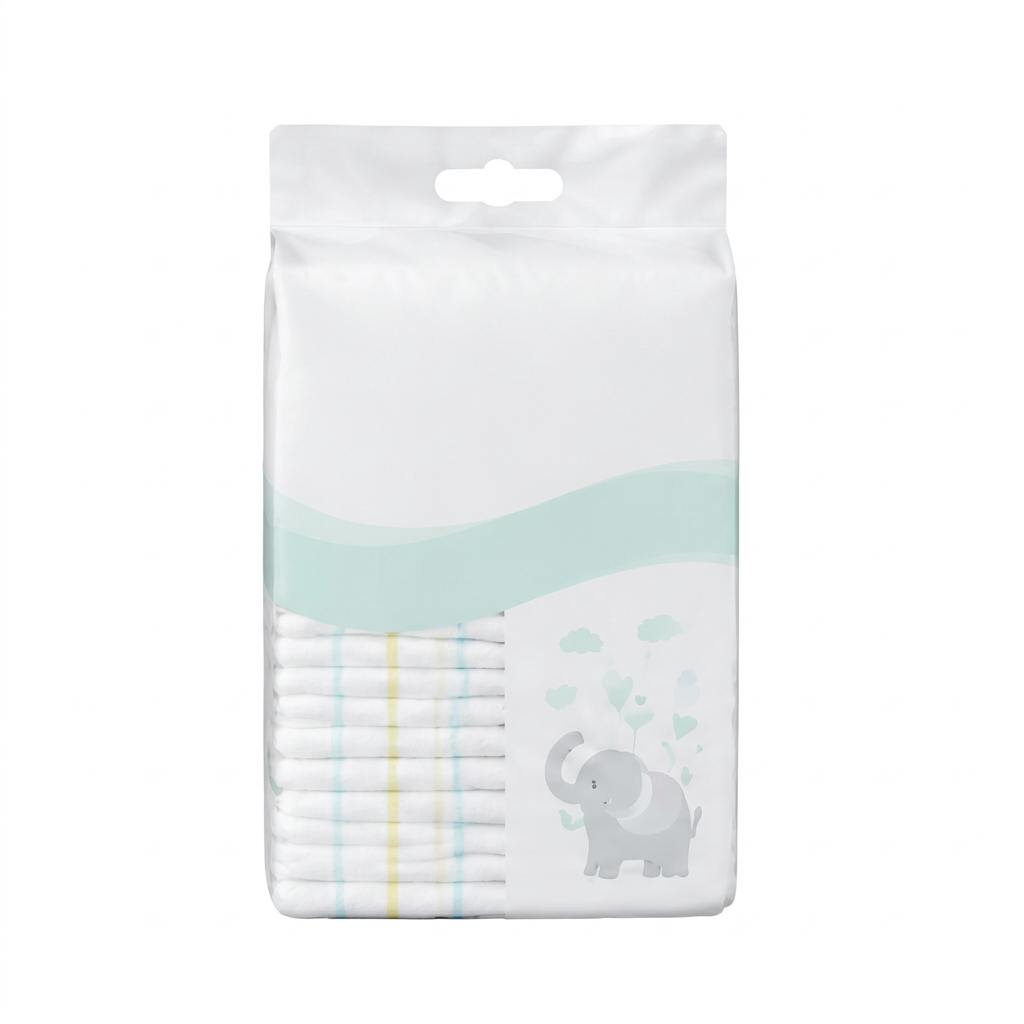
The Honest Company Diapers
Compare this diaper line when materials, pattern choices, fit, and package count are part of the decision rather than headline box price alone.
Compare on SmartBuyCompare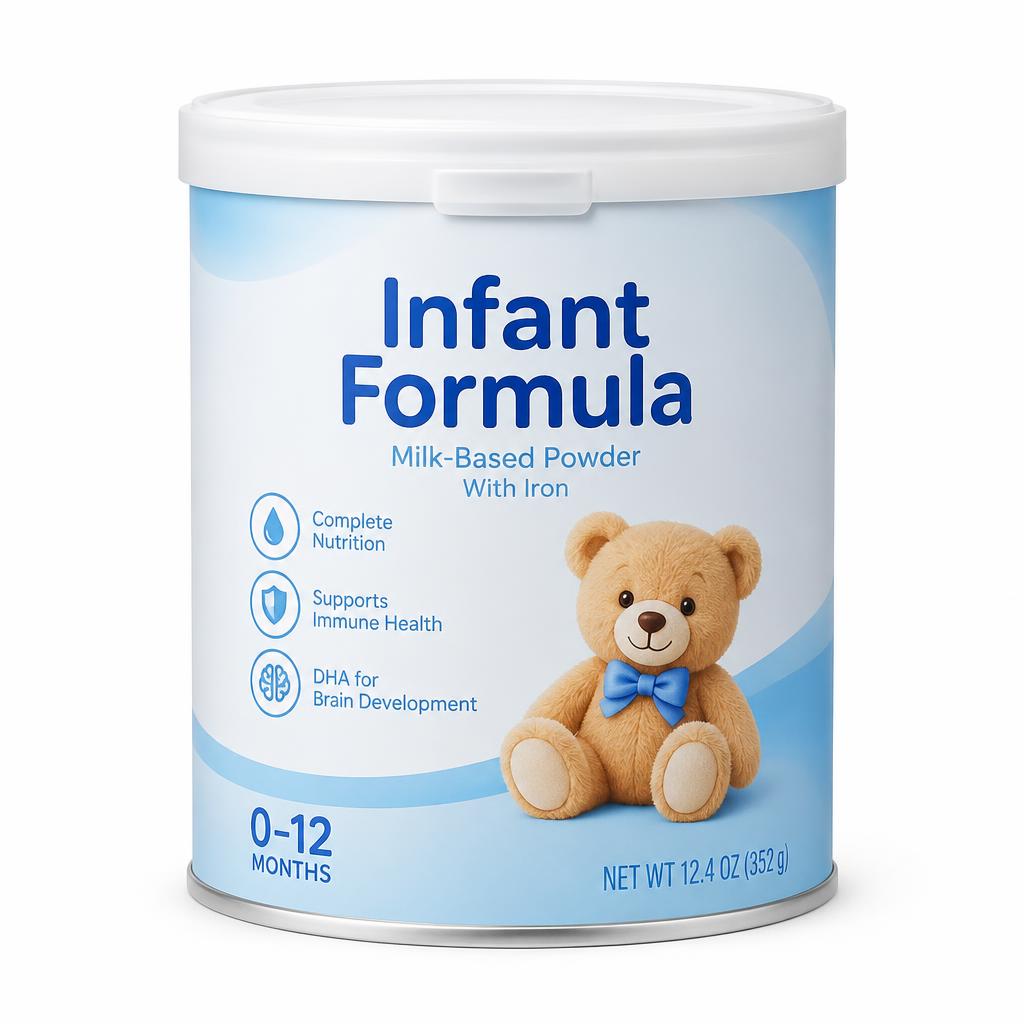
Similac 360 Total Care Formula
A comparison starting point for caregivers who have already selected this formula with appropriate professional guidance and need to verify format and quantity.
Compare on SmartBuyCompare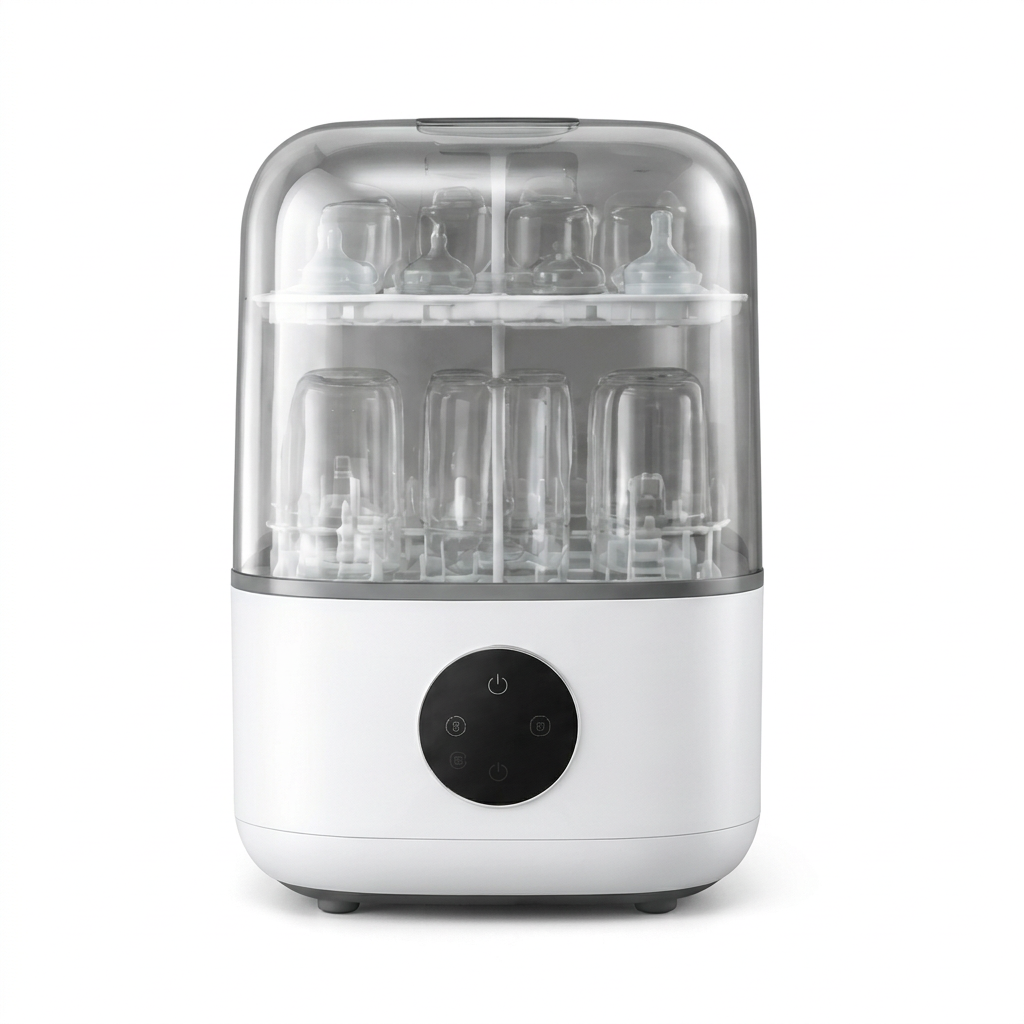
Momcozy DeepClean Bottle Washer
A specialized cleaning option for households that wash bottles frequently and value automated washing and drying in one countertop appliance.
Compare on SmartBuyCompareFrequently asked questions
Should I buy baby supplies in bulk before birth?
Usually it is safer to begin with modest quantities of fit- or preference-dependent products. Once a diaper, bottle, pacifier, or skin product works reliably, a larger pack may make sense.
How do I compare diaper packages?
Match the exact size and style, then divide the complete package cost by the diaper count. Check whether bundles, subscriptions, or shipping terms differ before comparing results.
Are more features better on baby gear?
Not necessarily. Features add value when they simplify a repeated task without complicating safe setup, cleaning, or storage. Clear instructions and reliable basic operation matter most.
Can I rely on age ranges alone?
No. Use every stated limit, including weight, height, mobility, and developmental milestones. Stop using an item when any limit is reached or the manufacturer directs.
When should I ask a professional?
Ask a pediatrician or other qualified professional about feeding, sleep, skin reactions, development, or medical needs. A shopping guide cannot evaluate an individual child.