

Fashion guide
How to Choose Everyday Fashion Basics
Build a useful everyday wardrobe by comparing fabric, fit, construction, care, versatility, and true cost per wear.
Everyday clothing does the quiet work of a wardrobe. T-shirts, sweatshirts, underwear, leggings, and simple shoes are worn repeatedly, washed often, and combined with many other pieces. Choosing them well is less about following a season and more about understanding fabric, fit, construction, care, and how the garment supports your routine.
Start with the situations the item must cover: work from home, commuting, exercise, errands, layering, or travel. Note what you already reach for and why. A familiar neckline, pocket arrangement, rise, or fabric weight is often a better guide than a broad style label. Then compare exact color, size, material, and pack count, because fashion listings commonly place several variants on one page.
What to look for
Fabric composition and weight
Cotton is breathable and familiar but can shrink or hold moisture. Polyester adds durability and faster drying, while elastane provides stretch and recovery. Blends combine properties, so percentages matter: two garments with the same name can feel different when their fiber ratios change.
Fabric weight affects opacity, warmth, drape, and drying time. Product pages do not always publish grams per square meter, so look for terms such as lightweight, midweight, or heavyweight and read the care instructions. For base layers, consider softness and moisture handling; for outer layers, consider structure and abrasion resistance.
Fit and useful measurements
Size letters are not standardized across brands. Compare the brand’s garment or body chart with your own measurements, and note whether the cut is slim, regular, relaxed, cropped, or oversized. Reviews can reveal patterns, but individual fit comments are meaningful only when the reviewer supplies context.
For tops, shoulder width, chest, sleeve, and body length shape the result. For bottoms, waist, hip, rise, and inseam matter. Measure a garment you already like on a flat surface and compare it with published garment dimensions when available.
Construction and recovery
Inspect seam type, ribbing, hems, zippers, drawcords, and reinforcement at stress points. Flat seams can reduce rubbing, while double-needle hems often hold their shape well. Pattern alignment is less important on basics than straight stitching and a neckline or waistband that recovers after stretching.
Stretch garments should return close to their original shape. A high elastane percentage is not automatically better; fabric structure and care influence recovery. For shoes, check sole flexibility, heel security, interior seams, and whether the upper bends where your foot naturally flexes.
Care requirements and color stability
A basic earns its place through repeated wear, so read the complete care label before purchase. Hand washing, dry cleaning, or flat drying may be reasonable for a special piece but burdensome for daily clothing. Heat can shrink cotton, weaken elastane, and damage printed finishes.
Dark and saturated colors may release dye during early washes. Washing similar colors, using the recommended temperature, and avoiding unnecessary heat can extend life. If easy care is essential, favor fabrics and finishes designed for the routine you will actually follow.
Layering and versatility
Consider the garment’s proportions under and over other pieces. A sweatshirt needs enough room for a base layer without bunching; leggings need a waistband and rise that stay comfortable when sitting; underwear seams should work under your usual clothing.
Neutral colors are easy to combine, but a wardrobe does not need to be colorless. Choose a limited palette that works with existing shoes and outerwear. A versatile item should suit several real outfits, not an imaginary future wardrobe.
Pack count, returns, and cost per wear
Multipacks can lower unit cost, but confirm that every item has the same fabric and cut and that you want all included colors. Retailers may use one product page for single garments and packs, so match the selected variant before comparing.
Fit uncertainty makes return terms especially important. Check whether worn, washed, intimate, clearance, or marketplace items are excluded. Cost per wear rewards durability and frequent use: a slightly higher price can be sensible when the garment fits well, washes reliably, and replaces a recurring compromise.
How we compare prices
Compare the exact brand, style number, size, color, fabric percentages, and pack count. Similar photographs can conceal different weights or cuts, and a marketplace seller may have different return terms from the retailer itself. Shipping and returns belong in the decision along with the garment price.
SmartBuyCompare keeps retailer and match details visible so variants are not silently treated as identical. Read How It Works for our comparison method, then verify the selected size, color, seller, delivery, and return eligibility with the retailer before ordering.
Top picks to compare
Use these as practical starting points, then compare the exact model or product variation that fits your needs.
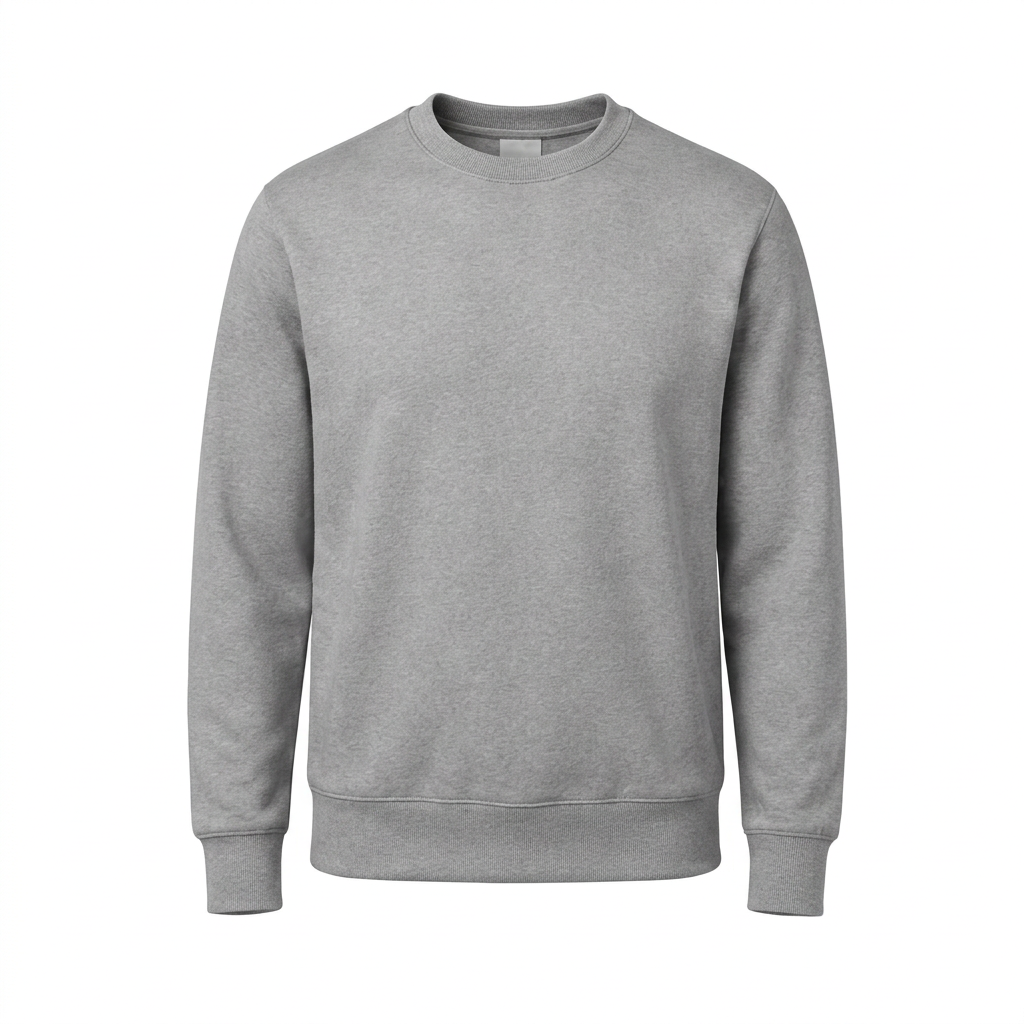
Men’s Sweatshirts
Compare midweight crewneck options by cotton blend, ribbing, cut, color availability, and care rather than relying on a single generic size label.
Compare on SmartBuyCompare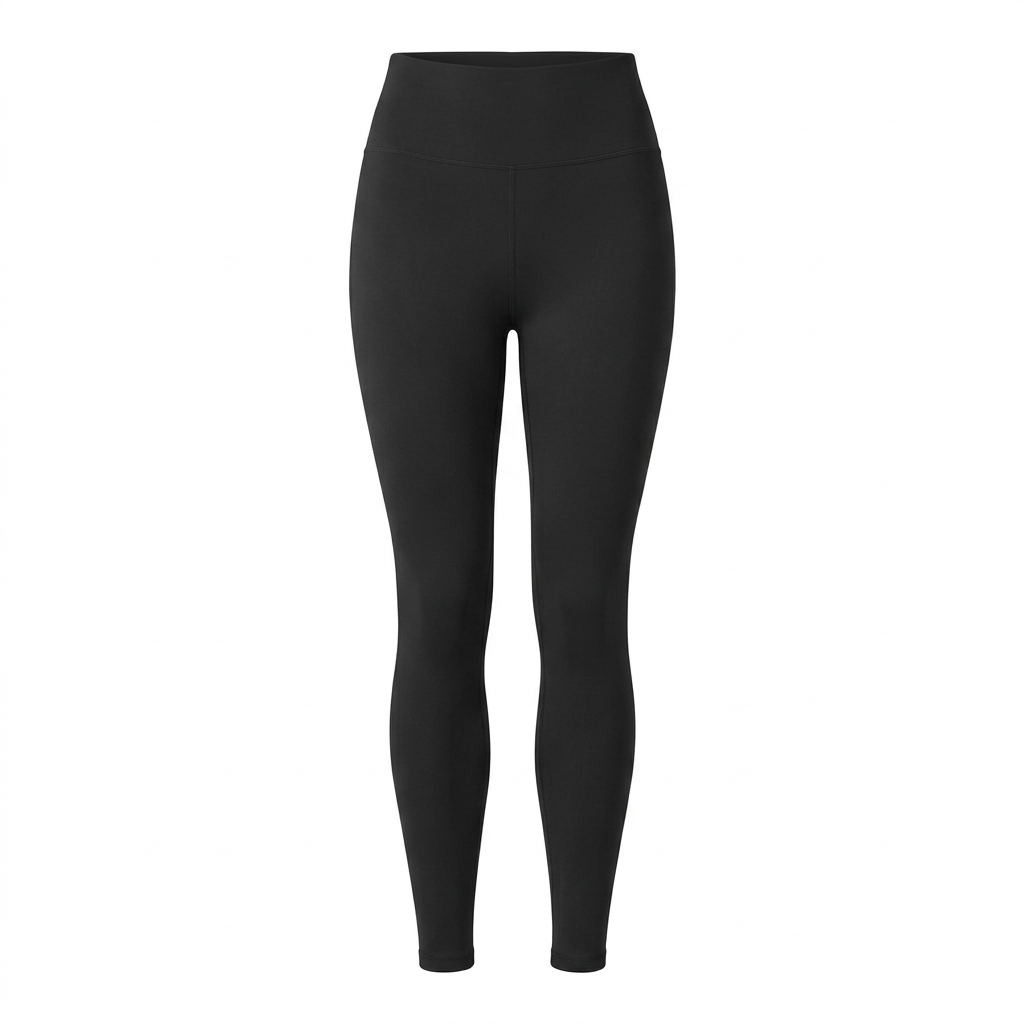
Women’s Leggings
A useful category comparison for rise, inseam, fabric opacity, pocket placement, stretch recovery, and the activities each pair is designed to support.
Compare on SmartBuyCompare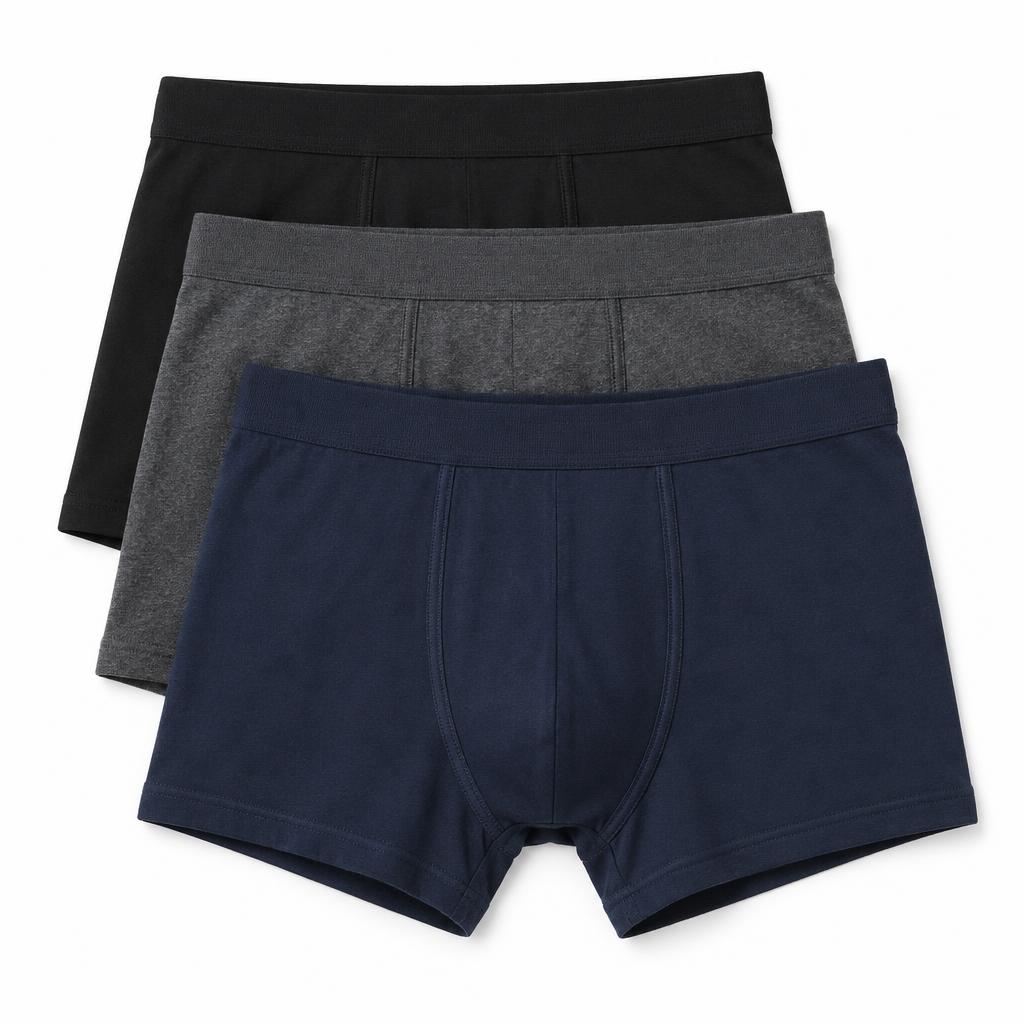
Men’s Underwear
Compare fiber blend, cut, waistband construction, seam placement, and pack count to find a repeat-purchase basic that fits your routine.
Compare on SmartBuyCompare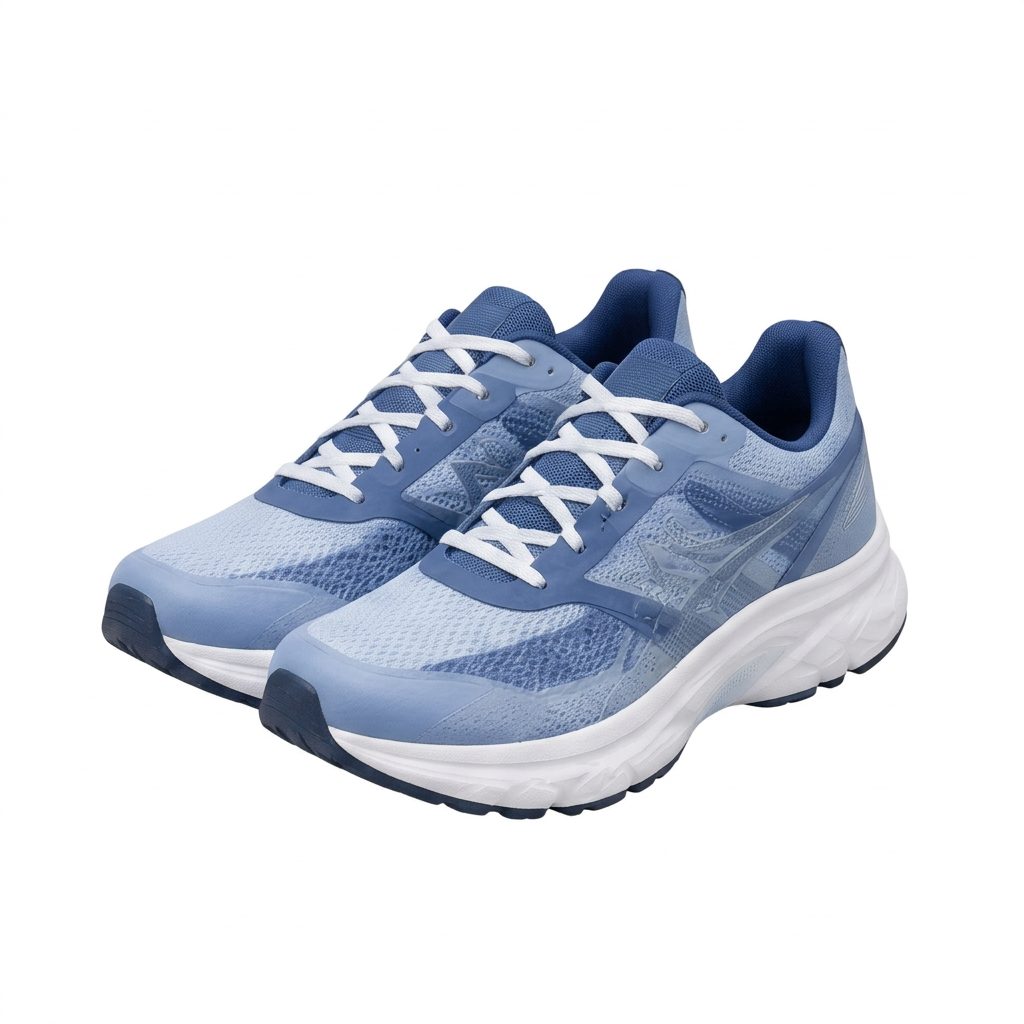
Running Shoes
Start with fit, intended surface, cushioning preference, and heel security, then compare the exact model and width across retailer listings.
Compare on SmartBuyCompareFrequently asked questions
How can I compare sizes across brands?
Use each brand’s current chart and compare actual measurements, not only the size letter. Measuring a well-fitting garment gives you a practical reference for length, width, rise, and inseam.
Are natural fibers always better?
No. Natural and synthetic fibers solve different problems. Cotton offers familiar softness and breathability, while synthetics can add durability, stretch, and faster drying. The best blend depends on use and care.
How many basics should I buy at once?
Test fit and washing performance before buying several. Once the exact style works, a multipack or repeat purchase may be practical, but colors and fabric can change between product versions.
What makes a garment good value?
Reliable fit, useful versatility, sound construction, manageable care, and frequent wear matter more than price alone. A low-cost item is poor value if it remains unworn or quickly loses shape.
Should I wash new clothes before wearing them?
Follow the care label. Washing many everyday garments before first wear can remove finishing residues and loose dye, but special materials may require different handling.