

Home & Kitchen guide
How to Choose Home & Kitchen Essentials
A practical guide to choosing durable, correctly sized home and kitchen essentials without paying for features you will not use.
Home and kitchen products earn their space by making repeated tasks easier. The best purchase is rarely the appliance with the most buttons or the storage item with the boldest promise. It is the one that fits the room, handles the amount of work your household produces, and is simple enough to use and clean every week.
Begin with the job, not the product category. Write down what you prepare, clean, or organize now; where the item will live; and which frustration you want it to remove. That short inventory prevents oversizing, duplicated functions, and accessories that remain in a drawer. It also gives you concrete specifications to compare across retailer listings.
What to look for
Capacity matched to the household
Capacity labels can be misleading when they describe the container rather than usable space. An air fryer basket must leave room for airflow, a blender pitcher should not be filled to its rim, and a vacuum bin needs emptying before it is packed solid. Consider the normal batch, not an exceptional holiday meal.
Larger equipment takes longer to heat, weighs more, and occupies valuable counter or cabinet space. Smaller equipment may require repeated batches. Measure your common cookware, servings, or floor area and choose the smallest size that handles those needs comfortably.
Dimensions, storage, and power
Measure width, depth, and height at the intended location, including clearance for lids, doors, vents, and cords. A coffee maker may fit under a cabinet but become impossible to refill. A vacuum may need vertical storage plus room for its charging dock and attachments.
Check outlet location, wattage, and circuit demands for heat-producing appliances. Avoid planning around extension cords when the manufacturer discourages them. For portable items, include weight and handle placement; a machine that is awkward to lift may never leave the cupboard.
Materials and durability
Stainless steel, glass, coated metal, and plastics each have practical strengths. Evaluate the surfaces that touch food, the quality of hinges and latches, and whether seals or filters are replaceable. A sturdy base and clear controls often matter more than decorative finishes.
Read warranty length together with exclusions and parts availability. A long warranty is less useful if routine wear items cannot be purchased. For frequently washed products, confirm which components are dishwasher safe and whether printed markings survive repeated cleaning.
Cleaning and maintenance
Every groove, gasket, filter, and blade adds a maintenance step. Removable parts and wide openings generally make cleaning easier. If a product handles grease, pet hair, or fine dust, inspect how debris moves through it and where clogs are likely to form.
Estimate the recurring cost of filters, bags, pods, cleaning tablets, or specialty accessories. A modest purchase can become expensive when it depends on proprietary supplies. Washable parts reduce spending only when their drying time and care fit your routine.
Controls and useful functions
Presets are helpful when they automate a task you already perform, not when they simply increase the number on the box. Prioritize readable controls, clear status indicators, and manual adjustment. A dedicated stop button and settings that are easy to change mid-cycle improve everyday use.
Connected features can support remote monitoring or saved recipes, but they also introduce setup, account, and software dependencies. Decide whether the app changes an outcome or only duplicates buttons. Core functions should remain usable without a phone whenever possible.
Safety, noise, and household context
Look for stable feet, cool-touch surfaces, locking lids, automatic shutoff, and recognized safety certification where relevant. Families with children or pets should consider cord placement, hot surfaces, tip resistance, and whether controls can be locked.
Noise is easy to overlook in a store listing. Vacuum, blender, and food-processor sound levels affect when you can use them, especially in apartments or during calls. Published decibel figures are useful when available, while owner feedback can reveal rattles and high-pitched tones.
How we compare prices
Compare exact model numbers, capacity, voltage, included attachments, and warranty coverage. Retailer-exclusive bundles may add useful tools, but their higher package value should not be mistaken for a difference in the base machine. Shipping for heavy equipment can also change the complete cost.
SmartBuyCompare keeps retailer details and match labels visible rather than merging unlike packages. Our How It Works page explains how offers are matched and which information belongs in the comparison. Always review the retailer page for the final package contents, delivery terms, and return conditions.
Top picks to compare
Use these as practical starting points, then compare the exact model or product variation that fits your needs.
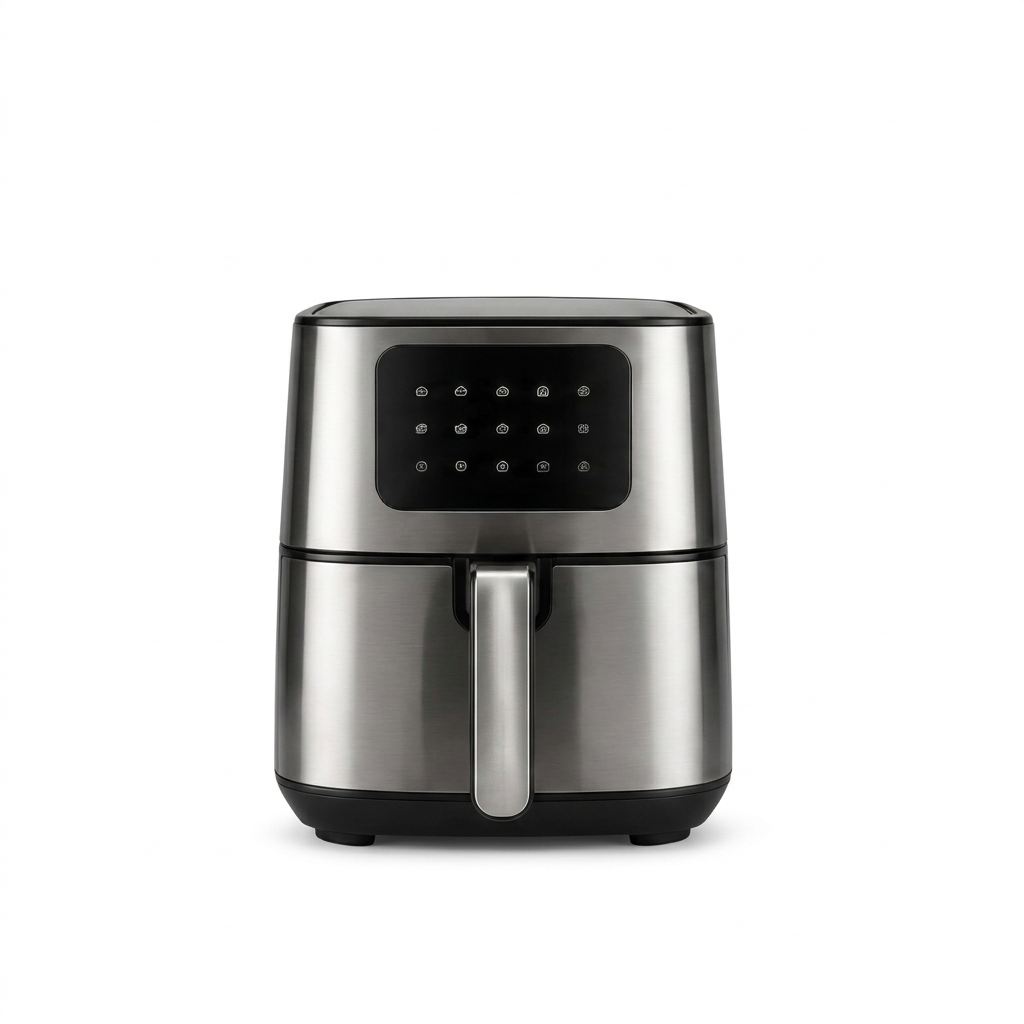
COSORI Dual Blaze 6.8-Quart Air Fryer
A family-size air fryer worth considering when even cooking, a broad preset selection, and a dishwasher-safe basket are priorities.
Compare on SmartBuyCompare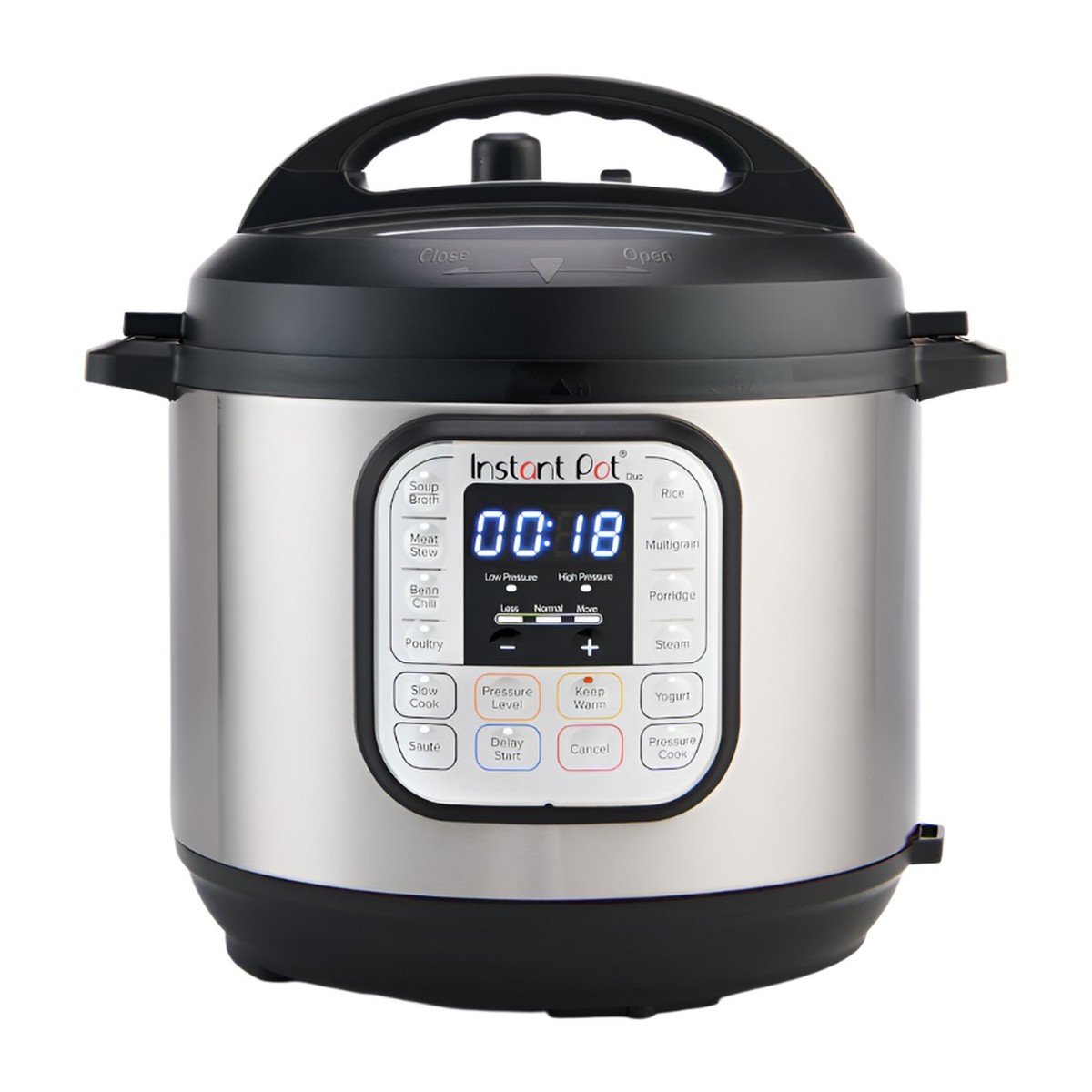
Instant Pot Duo 6 Quart
A multi-function choice for households that want pressure cooking, slow cooking, steaming, sautéing, and yogurt making in one footprint.
Compare on SmartBuyCompare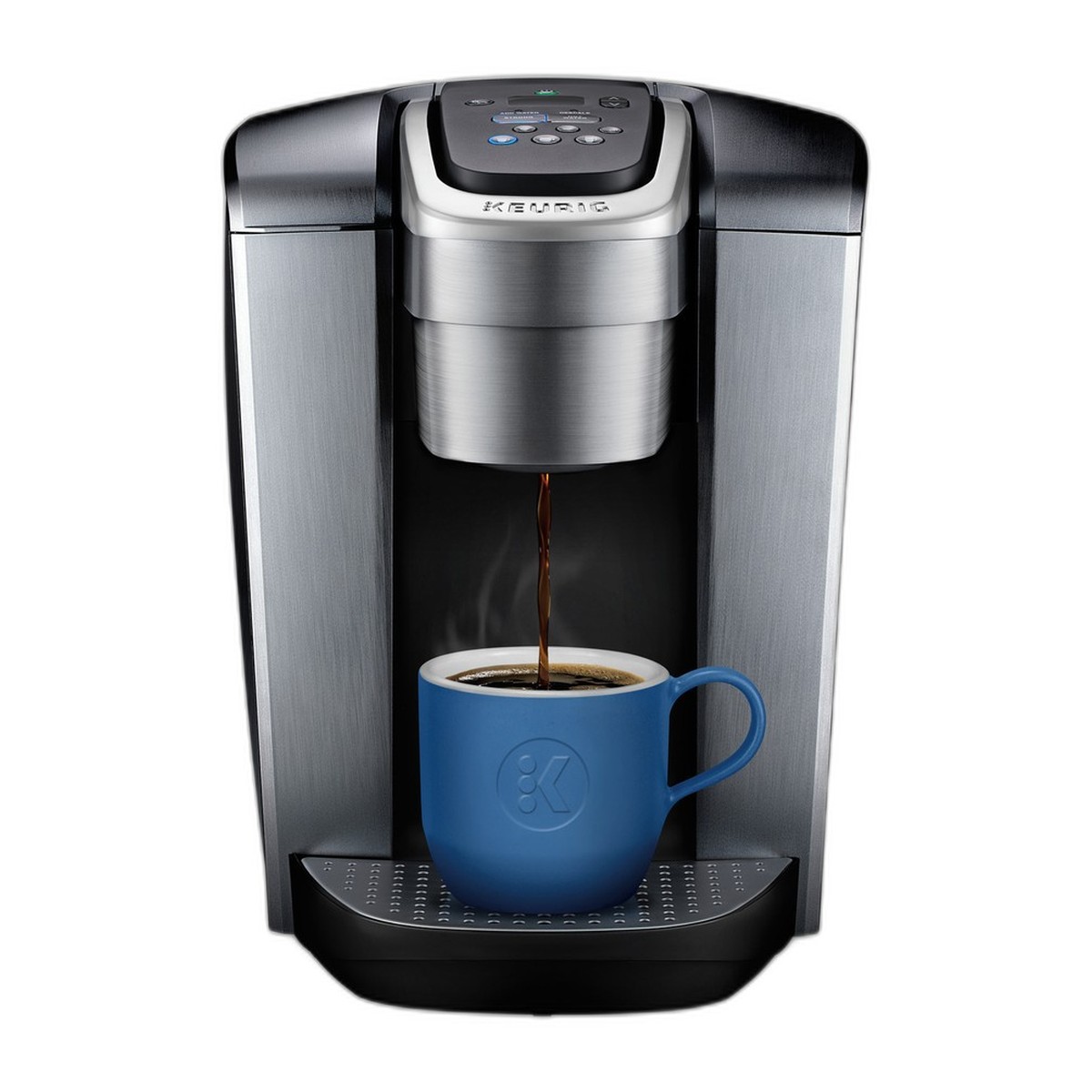
Keurig K-Elite Coffee Maker
A convenient single-serve brewer for homes that value quick preparation, multiple cup sizes, and a large removable water reservoir.
Compare on SmartBuyCompareFrequently asked questions
How do I avoid buying an appliance that is too large?
Measure the storage and operating space, then estimate your normal batch or cleaning area. Include clearance for vents, doors, and lids. Choose capacity for routine use rather than rare events.
Are multi-function appliances a good value?
They can be when you regularly use several functions and the controls are straightforward. They are less useful when one compromised machine replaces separate tools that already work well.
What recurring costs should I check?
Look for filters, bags, capsules, cleaning products, replacement seals, and proprietary accessories. Compare their replacement schedule and availability before choosing the machine.
Do smart features matter in kitchen appliances?
Only when they improve your actual routine, such as monitoring a long cook. Reliable manual controls, clear safety behavior, and easy cleaning should come first.
How important is the warranty?
Warranty terms are a useful signal, but parts availability and service access matter too. Read what is excluded and keep proof of purchase and the model number.