

Pet guide
How to Choose Pet Supplies
Choose pet food, enrichment, grooming, walking, and home supplies around your animal’s size, health, behavior, and daily routine.
Good pet supplies support health, safety, comfort, and natural behavior. The most popular option is not automatically right for a particular dog, cat, or other companion. Size, age, activity, medical history, temperament, and household layout all shape the decision, while food and health products may require professional advice.
Begin by identifying the practical outcome: balanced nutrition, secure walking, cleaner water, controlled shedding, mental stimulation, or a comfortable resting area. Then compare products that solve the same problem for the same type and size of animal. This approach avoids mismatched gear and makes retailer package differences easier to recognize.
What to look for
Species, life stage, and individual needs
Products should be designed for the animal’s species, age, weight, and physical ability. Puppy and kitten needs differ from adult and senior needs, while breed labels are less important than actual measurements and behavior. Use neck, chest, body, or paw measurements whenever a sizing chart requests them.
Medical conditions, allergies, dental needs, and weight goals require veterinary guidance. Avoid using reviews as a diagnosis. A product that is safe for one species may be harmful to another, so keep labels and follow all warnings.
Food formulation and package size
For complete diets, look for a clear nutritional adequacy statement for the intended life stage and discuss major changes with a veterinarian. Ingredient lists need context: nutrient balance, digestibility, calorie density, and the pet’s response matter more than one fashionable ingredient.
Compare the same formula and bag weight, then calculate cost per pound or per serving. Large bags are economical only when the food remains fresh and is consumed within guidance. Store food sealed, dry, and away from heat, and retain the lot information.
Safety and construction
Inspect clips, stitching, seams, cords, edges, and small detachable parts. Walking equipment must fit securely without restricting normal movement. Toys should be large and durable enough for the pet’s play style, but no toy is indestructible; supervise use and remove damaged items.
Electronic or training products deserve careful scrutiny. Choose humane, clearly adjustable designs and seek qualified behavior guidance for persistent issues. Gates and enclosures should match the pet’s size, jumping ability, and tendency to chew or push.
Cleaning, odor, and replacement
Beds, bowls, fountains, litter tools, and grooming products need regular cleaning. Check how many pieces detach, whether filters are proprietary, and whether fabric covers are machine washable. Smooth food-contact surfaces are generally easier to inspect and clean than deep seams or textured interiors.
Include replacement filters, liners, bags, cartridges, and batteries in the ownership cost. A lower purchase price may not stay economical if supplies are expensive or difficult to find. Establish a cleaning schedule that follows the manufacturer’s instructions.
Comfort and behavior
Observe how your pet rests, eats, drinks, walks, and plays. Some cats prefer wide, shallow bowls; some dogs need a harness shape that leaves shoulder movement free. Beds should support the preferred sleeping position, and enrichment should match confidence and skill rather than creating frustration.
Introduce new equipment gradually with positive associations. A technically suitable product has little value if the pet avoids it. Retailer return rules matter for non-consumable products when fit or acceptance cannot be predicted.
Home, travel, and storage context
Measure the intended location for crates, gates, fountains, litter equipment, and beds. Account for door swing, cleaning access, power cords, and escape routes. In shared buildings, noise and floor protection may influence the best design.
Travel products should be easy to secure, carry, and identify. Keep familiar essentials available during trips and check transportation rules before departure. Compact folding is helpful only if the item remains stable and simple to set up correctly.
How we compare prices
Compare exact formula, flavor, life stage, weight, count, and model. Pet food bags and treat packages often vary by retailer, while accessories may be bundled with extra filters or attachments. Unit pricing helps only after these differences are identified.
SmartBuyCompare shows retailer listings with package and match context. See How It Works for our comparison approach, then verify the final formulation, dimensions, shipping, and return terms with the retailer. For nutrition or health decisions, consult your veterinarian.
Top picks to compare
Use these as practical starting points, then compare the exact model or product variation that fits your needs.
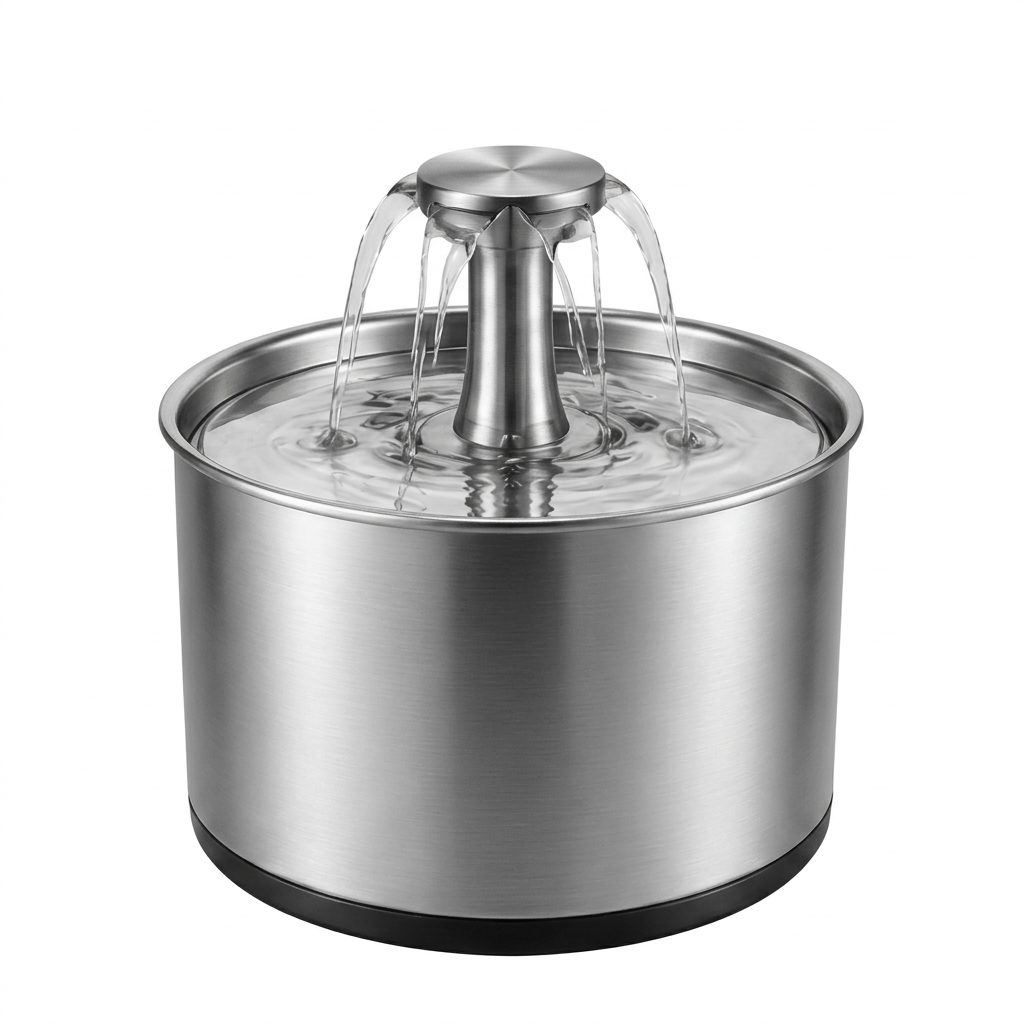
Veken Stainless Cat Water Fountain
A hydration accessory for households comparing reservoir size, pump noise, stainless food-contact surfaces, and replacement filter availability.
Compare on SmartBuyCompare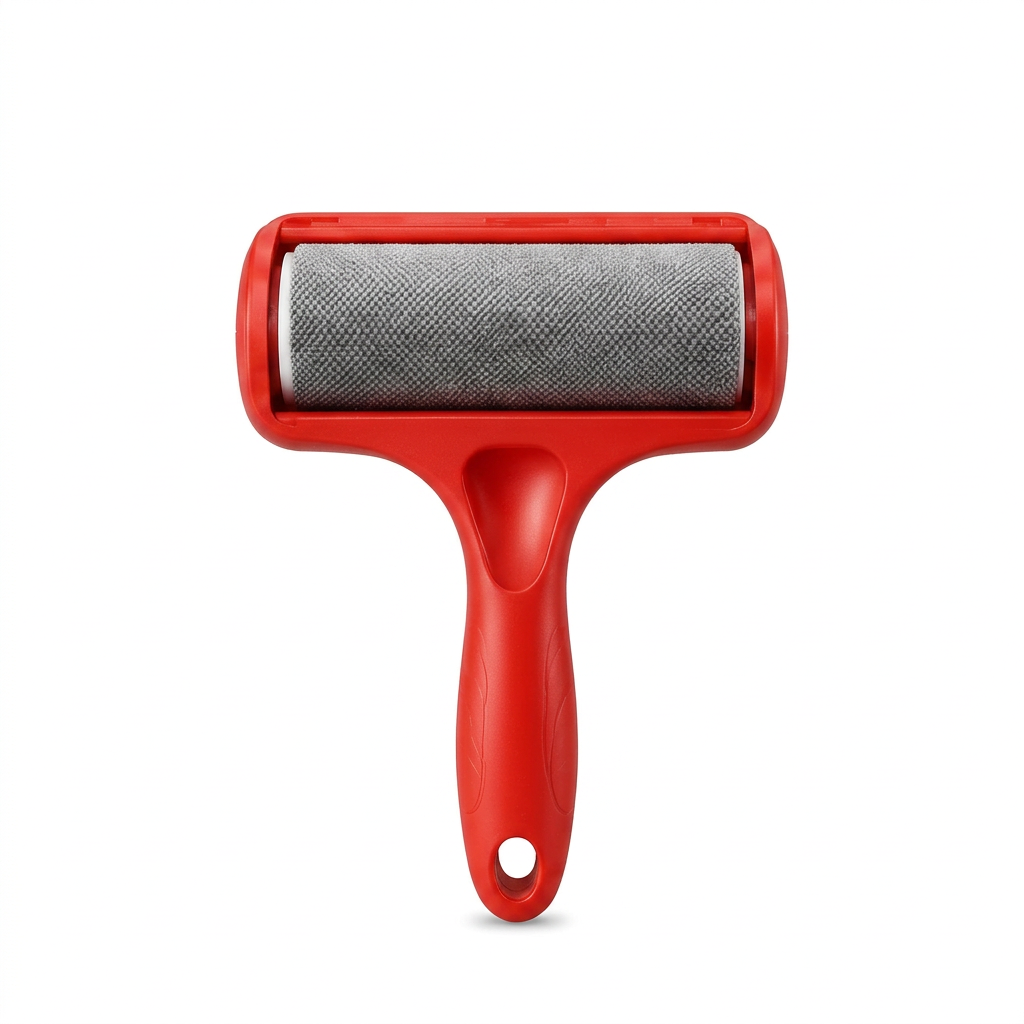
ChomChom Roller Pet Hair Remover
A reusable manual option for lifting pet hair from furniture and fabrics without depending on disposable adhesive sheets.
Compare on SmartBuyCompare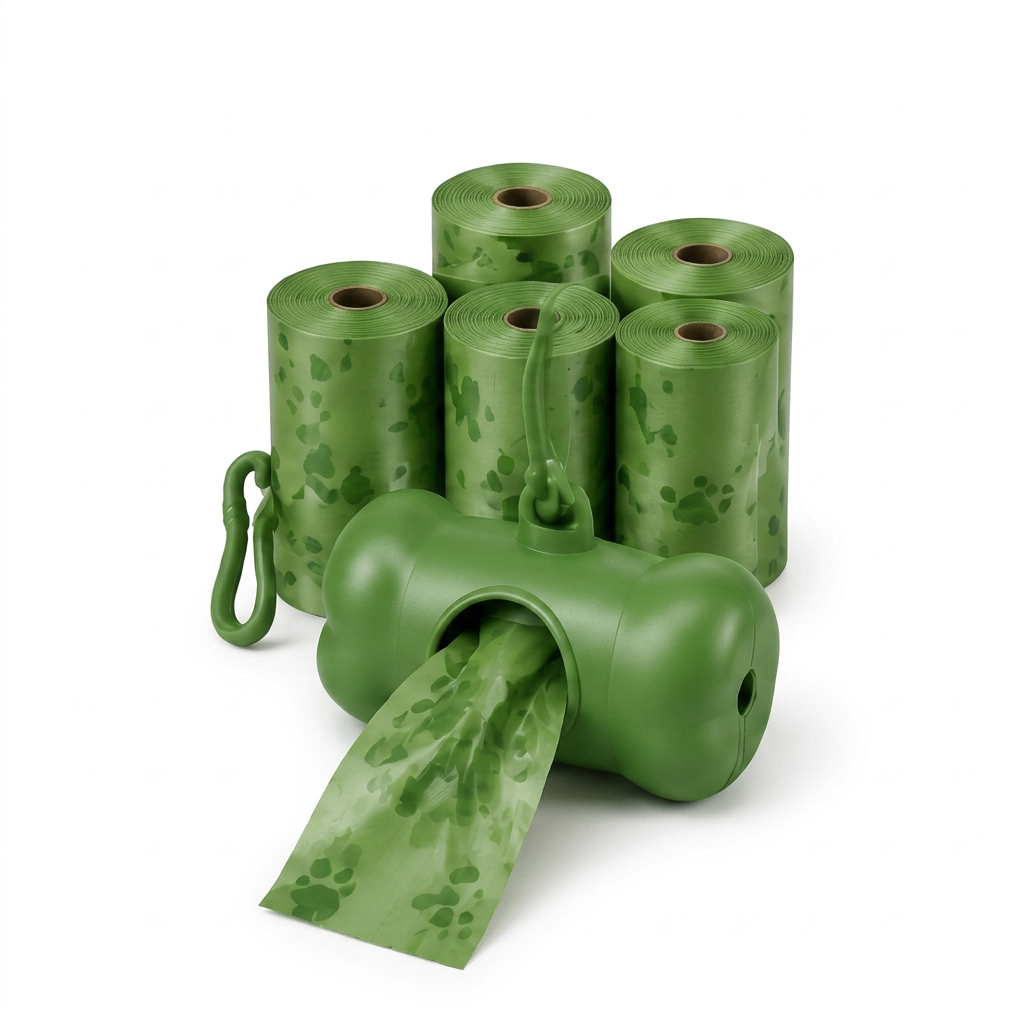
Earth Rated Dog Poop Bags
Compare roll count, bag dimensions, dispenser compatibility, and material claims when choosing a frequently replaced walking essential.
Compare on SmartBuyCompareFrequently asked questions
How should I compare pet food prices?
Match the exact recipe, life stage, and bag size first. Then compare cost per pound or per daily serving, including any shipping conditions. Ask a veterinarian before changing diets for medical reasons.
How do I size a collar or harness?
Measure exactly where the manufacturer instructs and use that brand’s chart. Check the fit regularly, particularly for growing animals or pets whose weight changes.
Are stainless bowls and fountains better?
Stainless steel is durable and easy to inspect, but design and cleaning still matter. Seams, pumps, filters, and standing water require routine care regardless of the main material.
How often should toys be replaced?
Inspect them frequently and replace them when pieces loosen, seams open, or the material becomes small enough to swallow. The schedule depends on the animal’s chewing and play style.
Can customer reviews tell me whether a product is safe?
Reviews can reveal usability patterns but cannot establish safety for your individual pet. Follow labels, official recalls, professional advice, and direct supervision.