

Electronics guide
How to Choose Wireless Headphones
Choose wireless headphones with confidence by comparing fit, sound, noise cancellation, battery life, microphones, codecs, and everyday usability.
Wireless headphones can look remarkably similar while feeling and sounding very different. A model that is excellent for a quiet home office may be frustrating on a flight, during a workout, or when switching between a laptop and phone. The useful question is not which pair has the longest feature list, but which features solve the situations you encounter most often.
Start by naming your primary use: commuting, concentrated work, calls, exercise, travel, or relaxed listening. Then set a comfortable spending range and decide which compromises you will accept. This guide explains the specifications that matter, the ones that need context, and a practical way to compare complete retailer offers without letting a temporary promotion decide the purchase for you.
What to look for
Fit, format, and long-session comfort
Over-ear headphones surround the ear and usually offer stronger passive isolation, larger controls, and more room for batteries. On-ear designs are smaller but can press against the ear. True wireless earbuds are easiest to carry, although their seal and stability depend heavily on tip size and ear shape.
For long sessions, check weight, clamping pressure, ear-cup depth, padding material, and whether replacement pads are sold. Glasses can weaken an over-ear seal, while heat buildup matters in warm climates. A comfortable return window is valuable because measurements cannot predict personal fit.
Sound tuning and equalization
Frequency response describes the balance among bass, midrange, and treble, but a single label such as “balanced” does not tell the whole story. Strong bass can make pop and electronic music energetic, while clear mids help speech, podcasts, and vocals. Elevated treble may add detail but can become tiring at higher volume.
Look for a companion app with a usable equalizer if your preferences vary. Presets are convenient, but adjustable bands offer more control. Remember that Bluetooth headphones often change their tuning when active noise cancellation is switched off or when the battery is empty.
Noise cancellation and awareness modes
Active noise cancellation works best against steady low-frequency sounds such as engines, ventilation, and road noise. It is less predictable with nearby voices or sudden sounds. Good passive isolation still matters, so the physical seal and ear pads contribute as much as the electronics in many environments.
An awareness or transparency mode should reproduce surroundings naturally enough for announcements and short conversations. Check whether its level is adjustable and whether wind overwhelms the microphones. Travelers should also consider cabin-pressure comfort and whether cancellation works with a wired connection.
Battery life and charging
Published battery figures are measured under particular volume and feature settings. Noise cancellation, high-quality codecs, calls, and cold weather can reduce practical runtime. Choose a rated duration with enough margin for your longest normal day rather than treating the maximum number as guaranteed.
Fast charging can matter more than total capacity: a short charge before leaving may provide several hours of listening. Confirm the connector type, whether a cable is included, and whether earbuds support wireless charging. Batteries wear over time, so replaceability and warranty terms affect long-term value.
Calls, controls, and device switching
For calls, microphone performance in traffic or a busy room matters more than performance in silence. Sidetone, which lets you hear your own voice, can make conversations feel more natural. Physical buttons are easier to operate with gloves, while touch controls can be faster when their sensitivity is adjustable.
Multipoint Bluetooth lets many headphones stay connected to two devices, useful when a call arrives while you are watching a laptop. Check the exact limitations: some models disable higher-bandwidth codecs in multipoint mode, and switching behavior differs among phones, computers, and televisions.
Codecs, latency, durability, and extras
AAC, LDAC, aptX variants, and other codecs can affect quality or latency, but both the source and headphones must support the same codec. For video, stable synchronization matters more than a badge. Competitive gaming usually benefits from a dedicated low-latency connection rather than ordinary Bluetooth.
Also compare hinge construction, water-resistance rating, case quality, replaceable cables, and app support. Spatial audio and head tracking can be enjoyable, but compatibility varies. Prioritize reliable basics before ecosystem-specific extras that may not work with your devices.
How we compare prices
Compare the same model, color, condition, and included accessories before looking at price. A bundle with a case or adapter is not identical to the standard package, and refurbished stock should not be measured against a new item without a clear condition label.
SmartBuyCompare places retailer offers side by side and shows shipping, availability, ratings, and match information so differences remain visible. Read our full explanation of product matching and offer review on the How It Works page, then confirm the final item and terms with the retailer before ordering.
Top picks to compare
Use these as practical starting points, then compare the exact model or product variation that fits your needs.
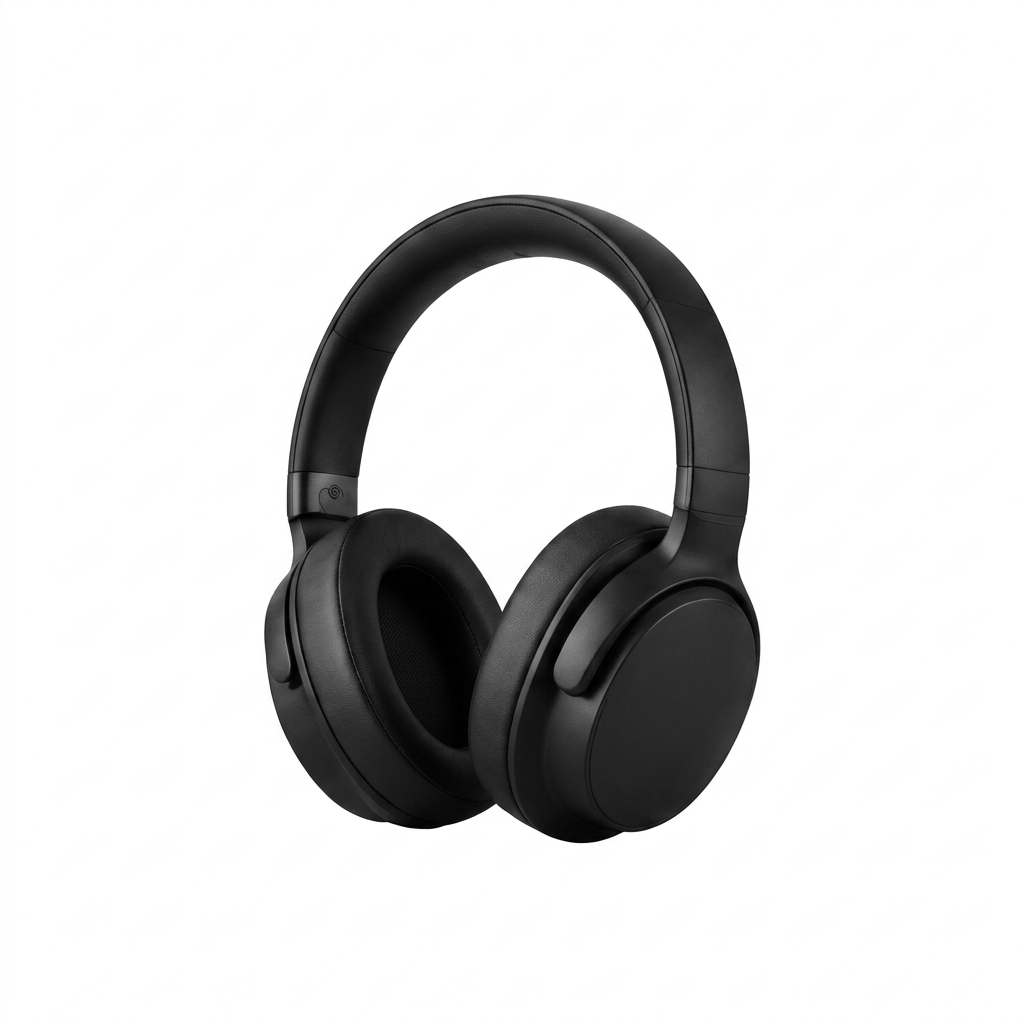
Sony WH-1000XM5
A feature-rich over-ear option for travelers and office users who prioritize strong noise cancellation, multipoint pairing, and a light 250-gram design.
Compare on SmartBuyCompareWireless headphones
Use this broad comparison when you want to inspect several current shapes, brands, and feature sets before committing to one format.
Compare on SmartBuyCompareNoise-cancelling headphones
A focused comparison for commuters, frequent flyers, and anyone trying to reduce steady background noise during work or study.
Compare on SmartBuyCompareFrequently asked questions
Are expensive wireless headphones always better?
No. Higher prices may buy stronger cancellation, better materials, or broader app features, but comfort and sound preference remain personal. A simpler pair can be the better choice when it fits well and supports your essential devices.
How much battery life is enough?
Choose enough for your longest normal use with a safety margin. Commuters may be comfortable with a full workday, while long-distance travelers may prefer 25 to 30 hours or a case that supplies several earbud recharges.
Do Bluetooth codecs make a big difference?
They can, especially with compatible source material and devices, but fit, tuning, and connection stability usually make a larger everyday difference. Codec support should refine a shortlist rather than lead it.
Can wireless headphones work with a television?
Many modern televisions support Bluetooth audio, but latency and control behavior vary. Check the television manual and consider a model with a dedicated transmitter if synchronized dialogue is essential.
Should I choose earbuds or over-ear headphones?
Choose earbuds for portability and activity, or over-ear headphones for extended comfort, stronger passive isolation, and larger controls. Fit is decisive, so use the retailer return period if you cannot try them first.